
StarWars.com chats with the legendary actor about his work on The Clone Wars, as well as his thoughts on the importance of sci-fi, how he answers hardcore Star Trek fan questions, what it's like to play Masi Oka's father on Heroes, and why he ate beans and rice in the rain forest to entertain British TV viewers.
How did the role of General Lok Durd come to you for The Clone Wars?
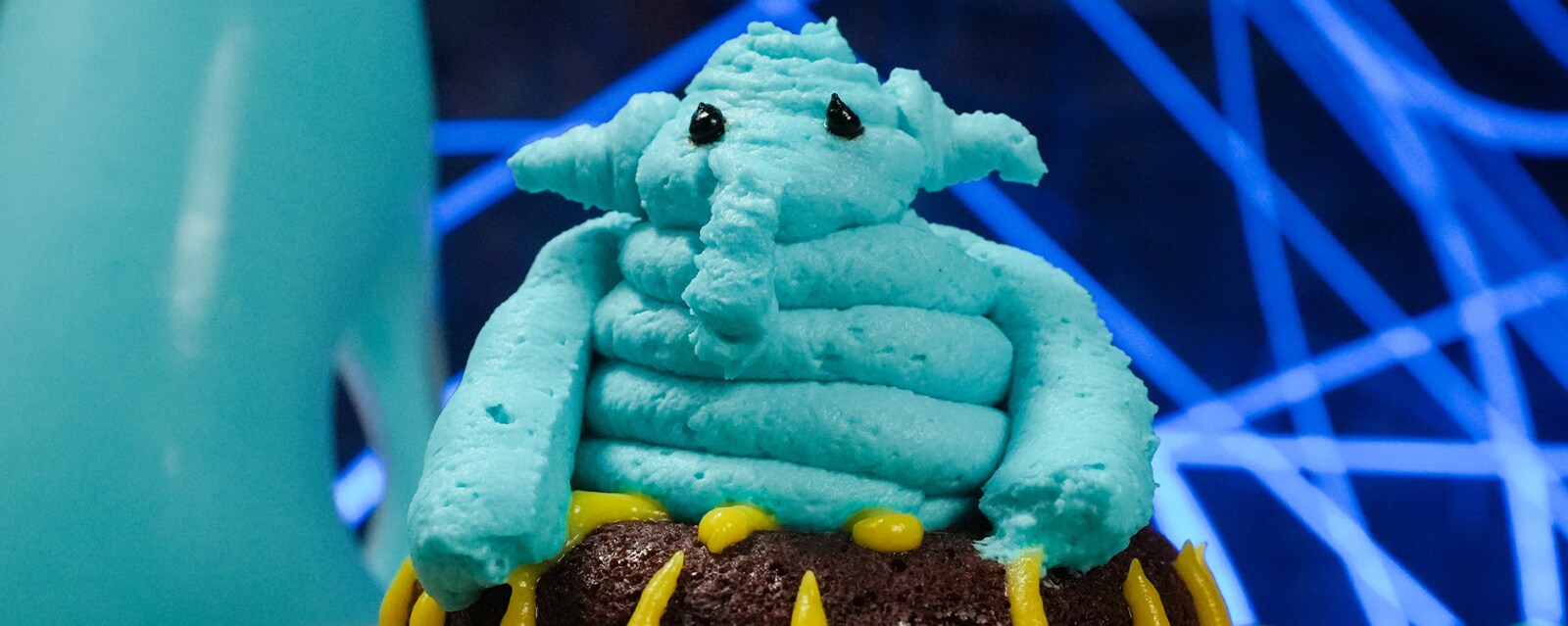
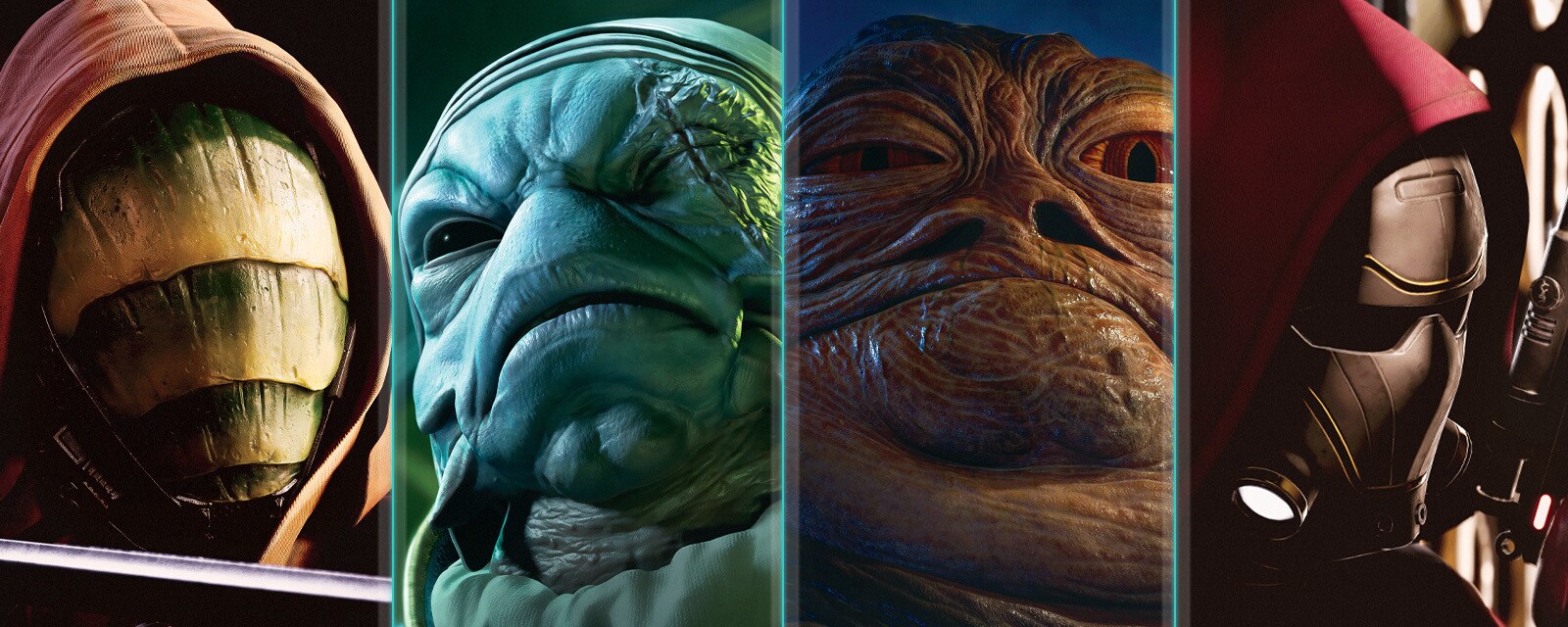
My agent called me and asked if I would be interested. So they sent a drawing over and I thought, "Oh no, another fat guy!" I mean morbidly obese, this one! How the animators captured this morbidly obese person -- when he moves, his whole body jiggles in a genuinely flesh-like way. We have a real epidemic of obesity here, so I'm glad villains are depicted that way, rather undisciplined with their lives and their bodies.

When you came to the role of General Lok Durd, how did you prepare?
I had the script, and I knew I was playing a very pompous, full-of-himself bad guy. And I had a fix on what he looked like physically, from the drawing. So you take it from there and work with the words. I grew up in the radio generation, so I am enamored with people who use their voices to tell and dramatize a story. When doing voices for animation, it's wonderful because you bring the character to life with your voice but also the animators help bring it to life visually. So it's a really collaborative relationship.
In the three decades of experience you have in voice acting, you've done quite a few animated shows where you record your lines without other actors present, but for The Clone Wars you had the opportunity to act when the rest of the cast were there for the recording session. Why do you think The Clone Wars show benefits from this?
With the Star Trek: Animated Series people came in singularly. I'd park my car and walk into the studio, Leonard Nimoy might be leaving and we'd have a brief chitchat. Then I'd go into the booth and I'd see my lines. The director would give me an indication of what the scene was like and the quality he wants -- excitement or relaxed or loud -- and you record it that way. And when I was leaving, Jimmy Doohan would be walking in. I don't find that the most satisfying way of working. Whereas working on The Clone Wars with a whole cast of actors together and being about to bounce off of them and they already have a hook on their character... you not only get an idea of their character, you get the rhythm and the vocal qualities of the actors playing those roles. So it's much more fulfilling as an actor to be able to get the characters you're playing with in full.