Copyright © 2009 by Paramount Pictures

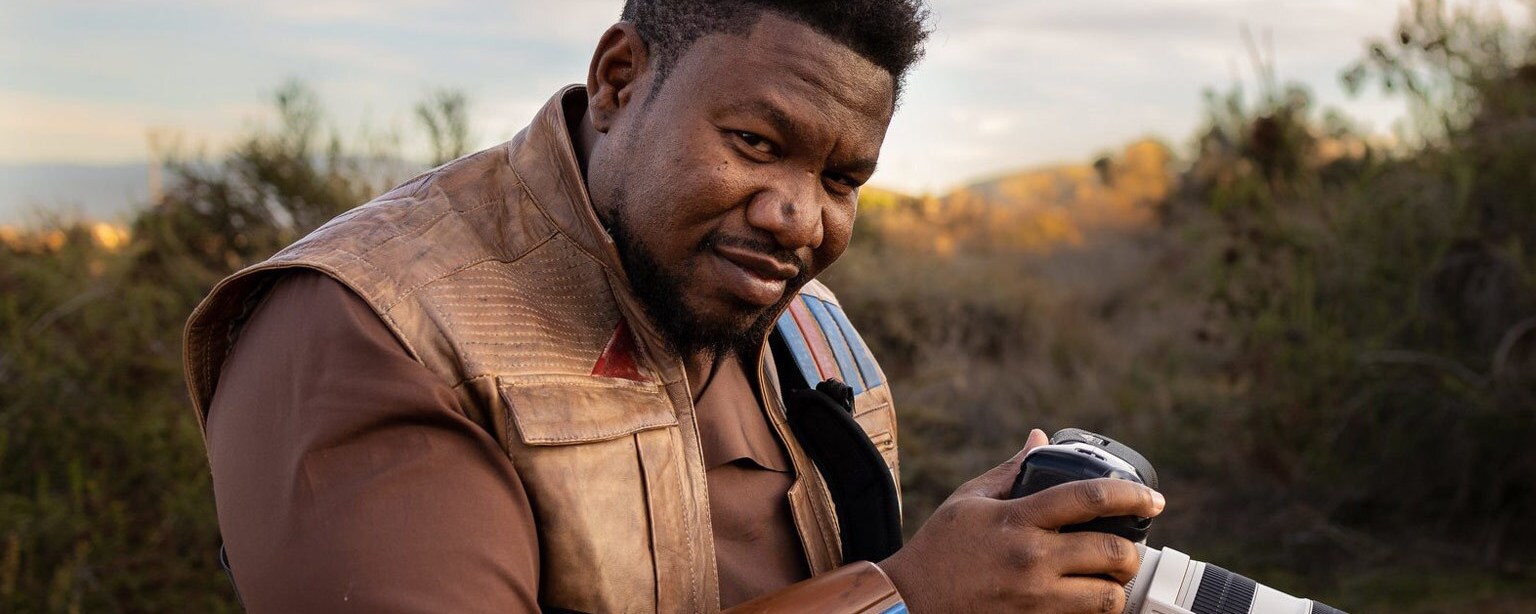
Star Trek co-screenwriter Roberto Orci (one part of the talented writing duo that includes Alex Kurtzman) knows his way around a galaxy or two. In addition to rebooting the Star Trek franchise, he also scripted with Kurtzman, the films The Island, Transformers, Transformers: Revenge of the Fallen, as well as the TV show Fringe. Orci chats with Starwars.com about how Star Wars influenced the new Star Trek film, why they used new time travel ideas and the story he wishes Star Wars would tell.

When you and your writing partner Alex Kurtzman were both asked to write a new story for Star Trek, what was your first reaction?
It's can't be done! We both wanted to see Kirk and Spock again. But you can't recast icons. You can't throw away the past and reboot it. This isn't James Bond where it's known that you're going to have a new James Bond. So that was our first thought. And then our second thought was that if Spock went back in time and it was a within-canon reboot, then maybe we could get away with it. And that's how it started.
Was it daunting to try to write a script to please all hardcore Star Trek fans, or did you just go into the project wanting to write a movie that all people would enjoy?
There have been 40 years of people investing and learning about Star Trek and I didn't want to disrespect that or pretend that it never happened. So in a way the movie is both a sequel from Spock's point of view and for new fans it's an imagination of how these classic characters come back.

You and Kurtzman have both admitted to being huge Star Wars fans. How did the Star Wars saga influence your writing for Star Trek?
A New Hope is very much like an origins story. But we also looked at Superman, Godfather II and other movies that took their time to set up a character before he sets off on a journey. Doing that for Kirk and Spock was a way to introduce them. But we were also after just the way Star Wars made us feel as kids. We were more in search of a feeling than perhaps any specific archetype; that feeling of momentum and inevitability of something.
Were there any things you wanted to avoid as you were writing the script?
There's a responsibility in Star Trek to try and reflect the time that Star Trek is being made, which has always been part of its legacy. The original Star Trek came in the middle of the '60s with the Women's Movement, Civil Rights, the Cold War, and all those things are somehow reflected. Audiences, I think, are a little bit resistant to that, so we wanted to make sure that Star Trek has those things; they're subtle. They go by in a way so fast that you have to really think about it, instead of have it hit you in the face. And that was a fun challenge.
A Klingon fleet is mentioned, but we don't see any Klingons in the movie. Was it difficult not to pack the movie with every kind of well-known Star Trek race/species/character there is? Was it hard to hold back?
Knowing that we were fans of Star Trek we made the giant list of the things that we could put in. Then after we learned everything about Star Trek again, you kind of forget about it and try to tell a story. When you go through the story you find all the organic places for the things on your list that you wanted to see. There were lots of things we could cram in there that we purposely did not.
But you also have a nice selection of Star Trek Easter Eggs in the film like Archer's beagle mention, and the tribble on Scotty's desk. Who made the decision to have an R2-D2 Easter Egg?
You try to put in as many Easter Eggs as you can. The tribble was one of my favorites. So many people have seen the movie twice and still couldn't spot it. The R2-D2 Easter Egg wasn't my idea. I suspect it was J.J. and Damon.