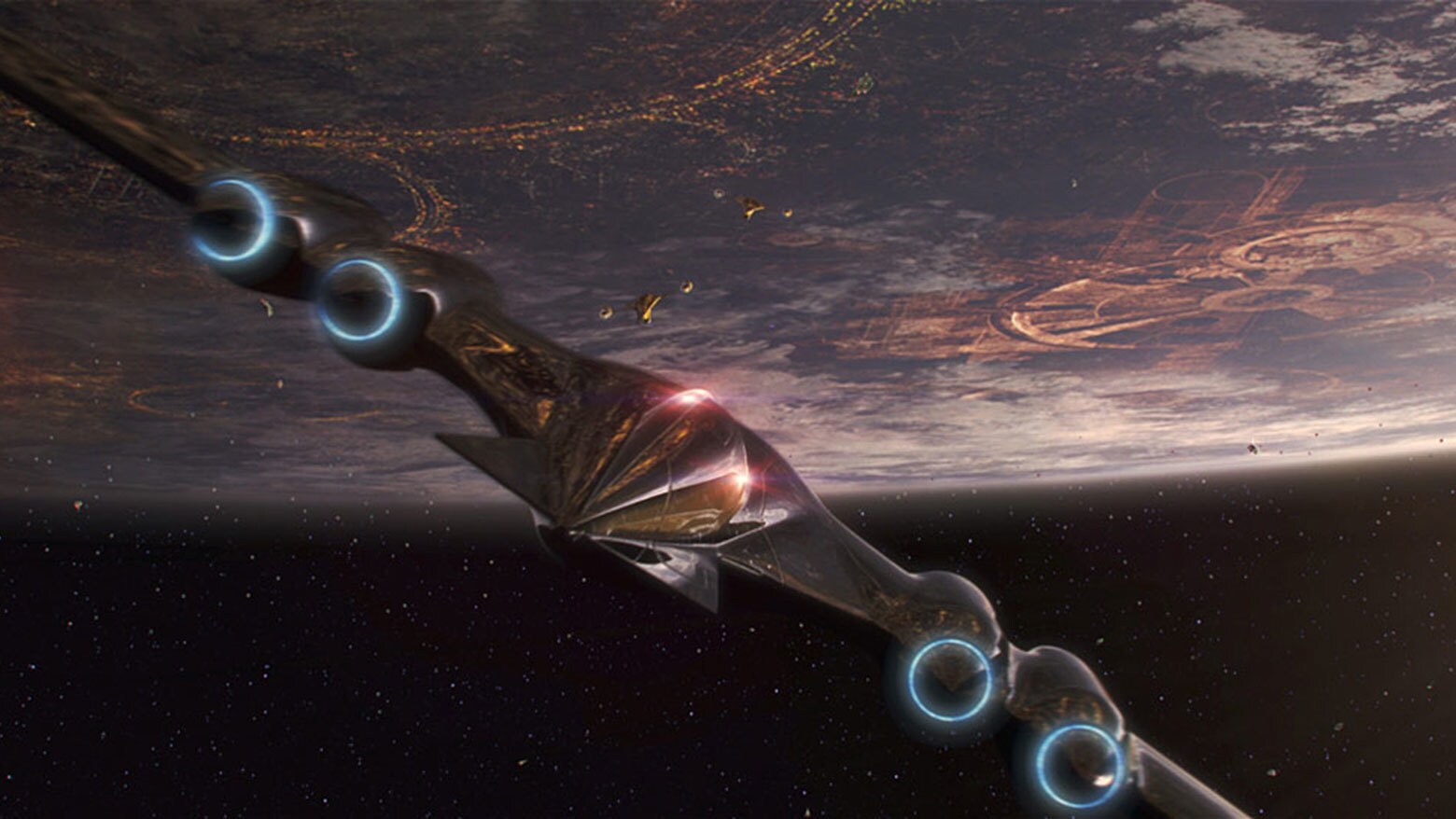
There's a flurry of creative energy up on the third floor of Skywalker Ranch's Main House. That's where the Art Department brainstorms and generates fantastic pieces of concept art to clarify George Lucas' visions of a galaxy far, far away. For every piece that passes through the approval gauntlet, a dozen or so are rejected. When it comes to organizing the outcome of this process -- the many sketches, paintings, digital files, sculptures and models -- the Art Department relies on coordinator Fay David.
"I'm fascinated by the whole process of creating these creatures and new worlds," says David. "It's such a treat for me, every day, to come to work and see what the concept artists are designing. Now that I'm working with David Dozoretz and the Animatics Department, I get to see them take that artwork and bring it to life. I'm continually blown away every time I see the work of the Animatics crew."
David, who began her career at Lucasfilm as a Production Assistant at Industrial Light & Magic during Episode I, came to the Art Department early in Episode II's pre-production. The task of developing an electronic method of tracking all the Art Department's assets throughout production fell to Lucasfilm's IT Department, with David's input.
"The Art Department generated thousands and thousands of pieces of artwork," she explains, "so it was a matter of attending all of the Art Department meetings every week, documenting what was approved, what was not approved, what it was approved for, and finding a logical way of archiving those."
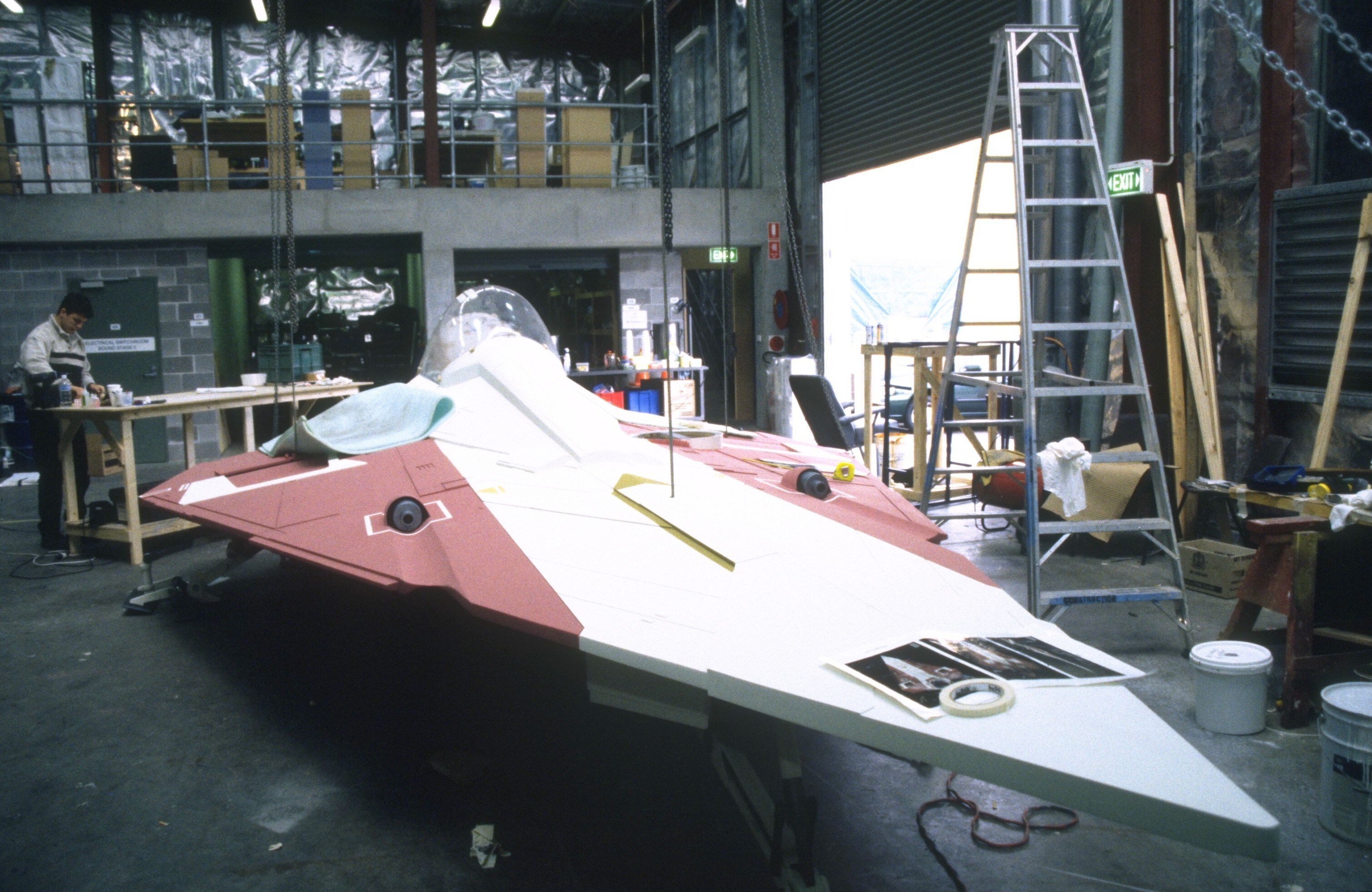
For a movie so rich in imagery, access to concept art is fundamental for various parts of the production process. Whether it's a construction crew at Fox Studios Australia needing clarification on set detail, a publisher needing artwork for an upcoming book, or illustrations for an online article here at starwars.com, the request crosses David's desk.
"One of the challenges we had working with production in Sydney was the time change," she says, "and them being able to get information fairly quickly. They were able to, through their network connection, log into the database, and help themselves to the images they needed. If there was something that wasn't there, they could call me and say, 'Hey, Fay, we're looking for this, can you please put it up on the database so that we can grab it?' The challenge was always getting them information faster."
The first step in the archiving the Art Department's considerable assets involves photographing the pieces with a digital camera. That image is then uploaded into the database. "Along with that are all kinds of attached information," she explains. "The artist, the medium -- whether it was marker, pen, both or a painting -- the size, what it was approved for, and any special notes."
Even art that has been disapproved is cataloged in the same way, because as often happens, a previous iteration may be revisited for a different design. Going into Episode II, a number of Episode I designs resurfaced. These images were easily accessible due to expert organization.
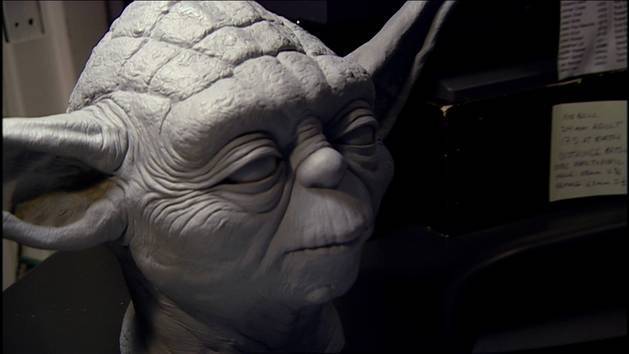
"The original pieces of art are kept in the archive room in the Art Department," says David. After being photographed, the art is stored in flat-files. Once the film is completed and the project wraps, those flat-files are transferred to the Archives Department for long-term storage.
A similar process applies to the concept sculptures and models, though their destination is somewhat different. "We photograph all of those, give them an archive number so that they can be tracked," she says. "Then, those models are then turned over to ILM to work on, and once ILM is finished, they'll go back to Archives."