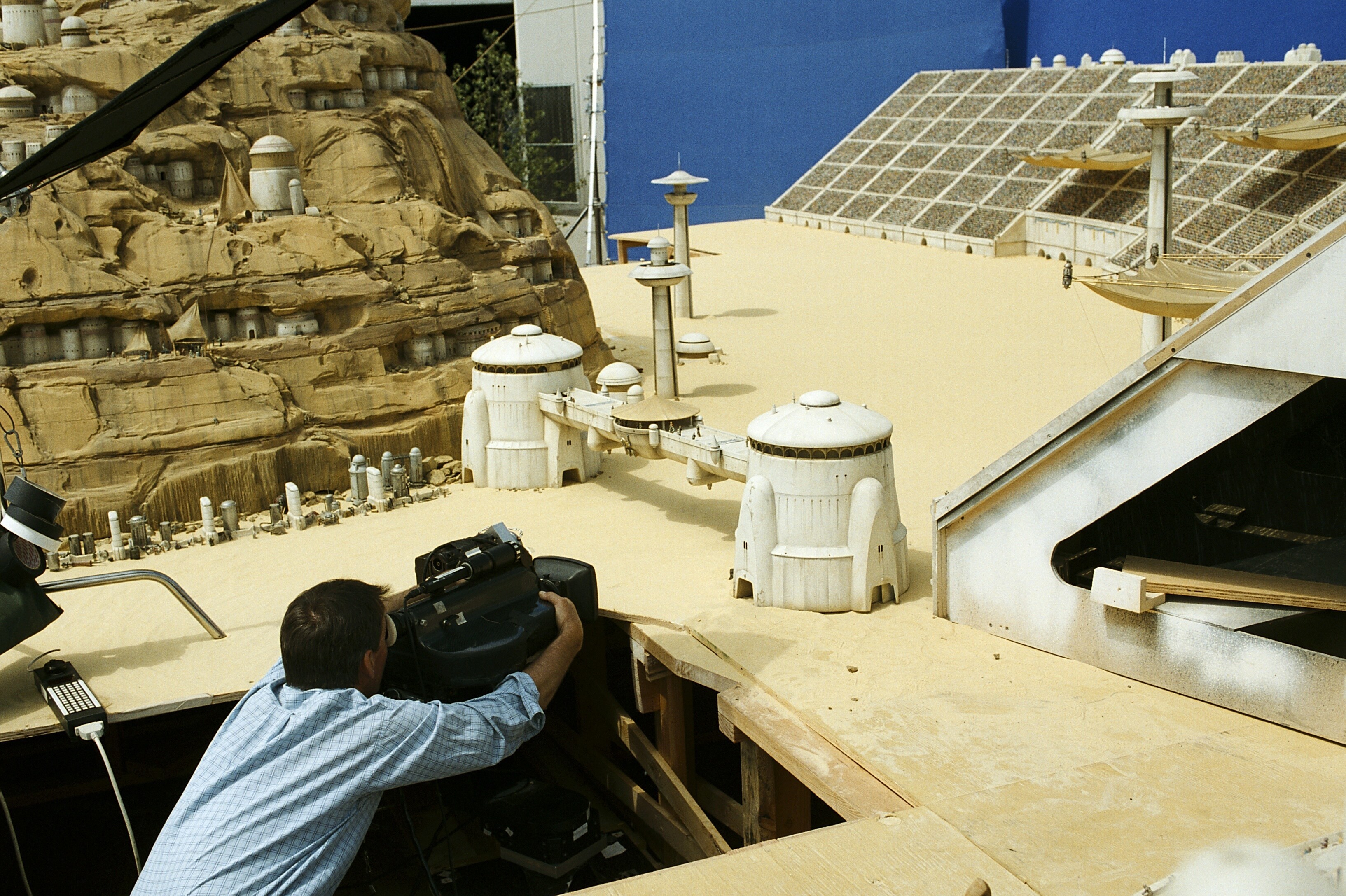
Ryan Tudhope: Animatics Artist

Email Archives
January 28, 1999
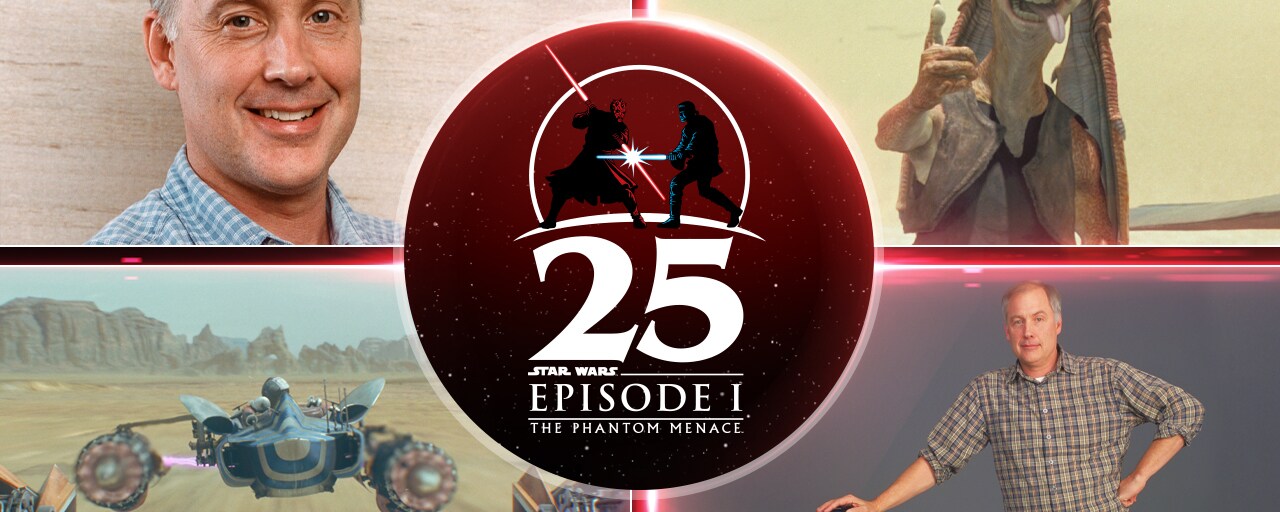
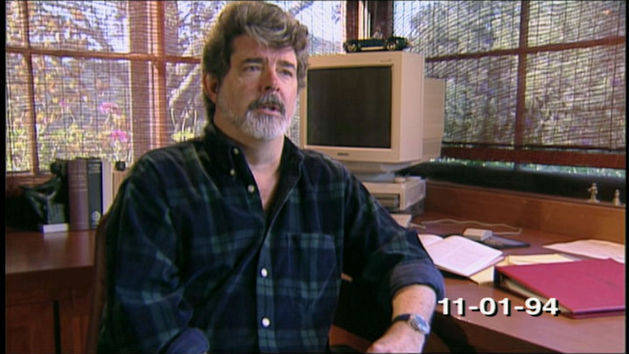
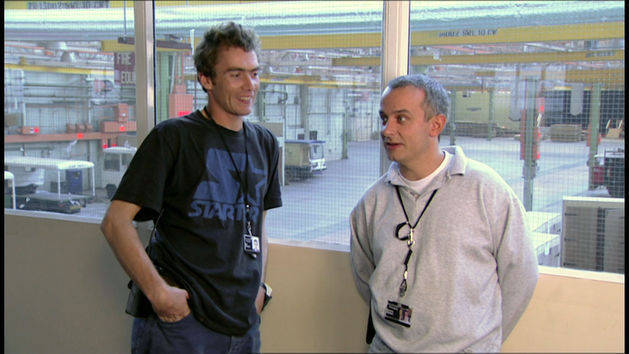
One by one, ILM is completing the Episode I final effects shots, and some of those shots had their genesis in the work of a teenager. Ryan Tudhope is a member of David Dozoretz's animatics team, which works hard at Skywalker Ranch to provide computer-generated (CG) "pre-visualizations" for most of the shots in Episode I. Brought on to the team in 1997 at age 18 with his friend Kevin Baillie, Ryan enjoyed the unusual experience of walking from high school right into the production team of a Star Wars movie. Producer Rick McCallum had spotted Ryan and Kevin's high school CG experiments in a documentary, and McCallum kept an eye on the two for the next year. Ryan and his colleague Kevin "worked liked crazy" developing ever-more-sophisticated shots on the computers at their school, sending periodic updates to McCallum and David Dozoretz at the Ranch. Eventually they proved their skill with the Force, and two new Jedi initiates were summoned to Lucas' headquarters in Northern California.
Ryan wasn't sure what to expect from his new job. "I figured that David would have us doing only the boring stuff in support of the 'real' animatics team. I was all set for that-I would gladly do anything to work on a Star Wars movie!" But it didn't work out that way. "We were hardly settled into our desks when David had us working on real shots that Martin Smith and George Lucas needed downstairs in the editing suites. I couldn't believe that we were actually handing our own work straight to the editors. It turned out that we were on the real animatics team."

"I'd seen their earlier projects," says animatics leader David Dozoretz, "and when they joined the team we had a ton of shots to produce, ASAP. I didn't have time for them to mess around. I knew they were capable of really helping and contributing. Rick and I wouldn't have brought them on board otherwise. I had them doing real shots almost immediately. Once they were settled in with the new software, I threw them into the 'sink or swim' production environment. From there on, it was up to them to prove themselves."

Was it intimidating at first? "Well, yes!" admits Ryan. "It was such a huge responsibility, and there was so much work to do so quickly. But then I learned that David wanted many of the shots in fairly low detail, and I thought, 'that will save us.' At least they didn't have to be perfect. Making them perfect would be handled by ILM." Actually, the animatics team ended up doing a great many shots with strikingly high detail in the end. On a small monitor you could mistake some of them for the final film-out effects. But thinking in terms of approximations helped Ryan get through the initial shock.

The wonder of it all didn't wear off so quickly. "It hit me every day straight in the face, for a long time, what I was actually doing. Working at Skywalker Ranch, being part of such a fantastic team, learning so much and contributing to Episode I in a direct way. Sure, we still have a lot of support work to do, it's part of the job. But it is the most amazing thing I have ever done."

The pressure has remained high, to produce a lot, to produce it well. "Learning new software is always a little scary. But being part of a team like this helped me get up to speed quickly and learn what I needed to." But much of what Ryan had to learn was not about technology, but about the art of filmmaking. "I had worked so hard learning CG techniques in high school," he recalls. "But when I came to work for Lucasfilm I learned how to use those tools in the service of film. It turned out to be about art even more than technique. We were asked to create shots that were not just slick or sophisticated, they had to work in the context of the film and specifically help to tell the story. That is probably the biggest thing I have learned here. Crafting shots for a film is about telling a story, and that is an art more than a science."

Ryan was also involved in work for the Episode I teaser trailer recently. He was called upon "in a rush, of course," to work out various color and flare treatments for the logo that appears out of the flames at the end. In three hours, he, like everyone else on the animatics team, had five different treatments to show. The version seen in the trailer is a composite of team efforts. What kind of storytelling went into that? "Well," Ryan says, "sometimes it is just about making things look cool."


Keywords: Animatics, Behind-the-Scenes

Filed under: The Movies, Episode I
Email Archives
 (
0 ratings
)

Comments: 0 total     See All

Q&A: You've got staff who came right from high school. How did they do that?
You've got a couple of guys on staff who came to you right from high school. How did they do that? Is there hope for others to follow?
Q&A: Could you give us a simple explanation of animatics?
We've heard a lot about "animatics," but it's still a bit confusing. Could you give us a simple explanation?
Cinefex Features Episode I
The latest issue of Cinefex Magazine, the leader in visual effects journalism, features a detailed synopsis of the making of Episode I.
Kevin Baillie and Ryan Tudhope Chat Transcript
Join Lucasfilm animatics artists Kevin Baillie and Ryan Tudhope for a chat about the making of Episode I.
Animatics Chats
Read the transcript from Wednesday's chat about the animated storyboards of Episode I with Pre-Visualization/Effects Supervisor David Dozoretz and Animatics Artist Jeff Wozniak.
Final Animatics News!
David Dozoretz is now completing what we believe will be the very last animatic pre-visualization for Episode I.
Animatics: The Moving Storyboards of Episode I
To demonstrate how the animatics team creates a typical animatic shot, we've put together a demo shot made just for the web.
Evan Pontoriero, Animatics Artist
Evan Pontoriero started in visual effects work when he was very young. "That is," he laughs, "I scratched laser blasts onto my friend's Super-8 movies."
David Dozoretz, Animatics Supervisor
On-site at Skywalker Ranch is a small group of artists using computer-generated movies called animatics to pre-visualize the imaginative sequences of Star Wars: Episode I.
Episode I Status Update
After the 65-day shoot of principal photography at Leavesden Studios last year, Episode I production has for the most part shifted into the next phases of film-making: editing and the creation of visual effects.
Newsletter sign up!
Enter your email here and receive exclusive Star Wars updates