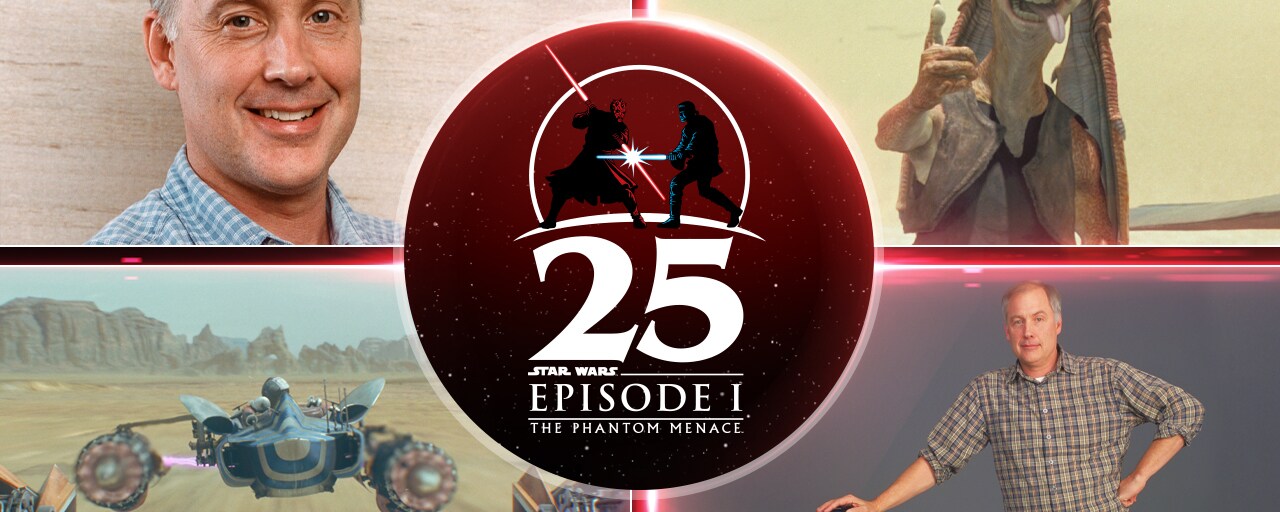
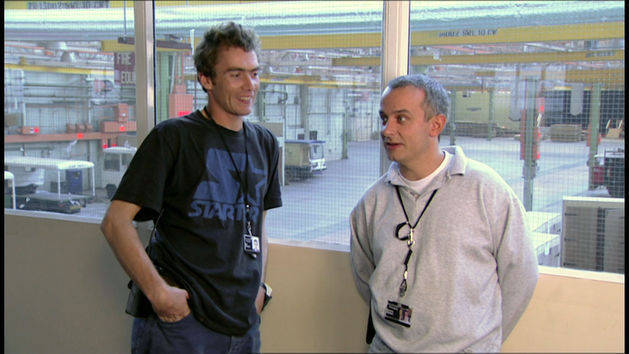
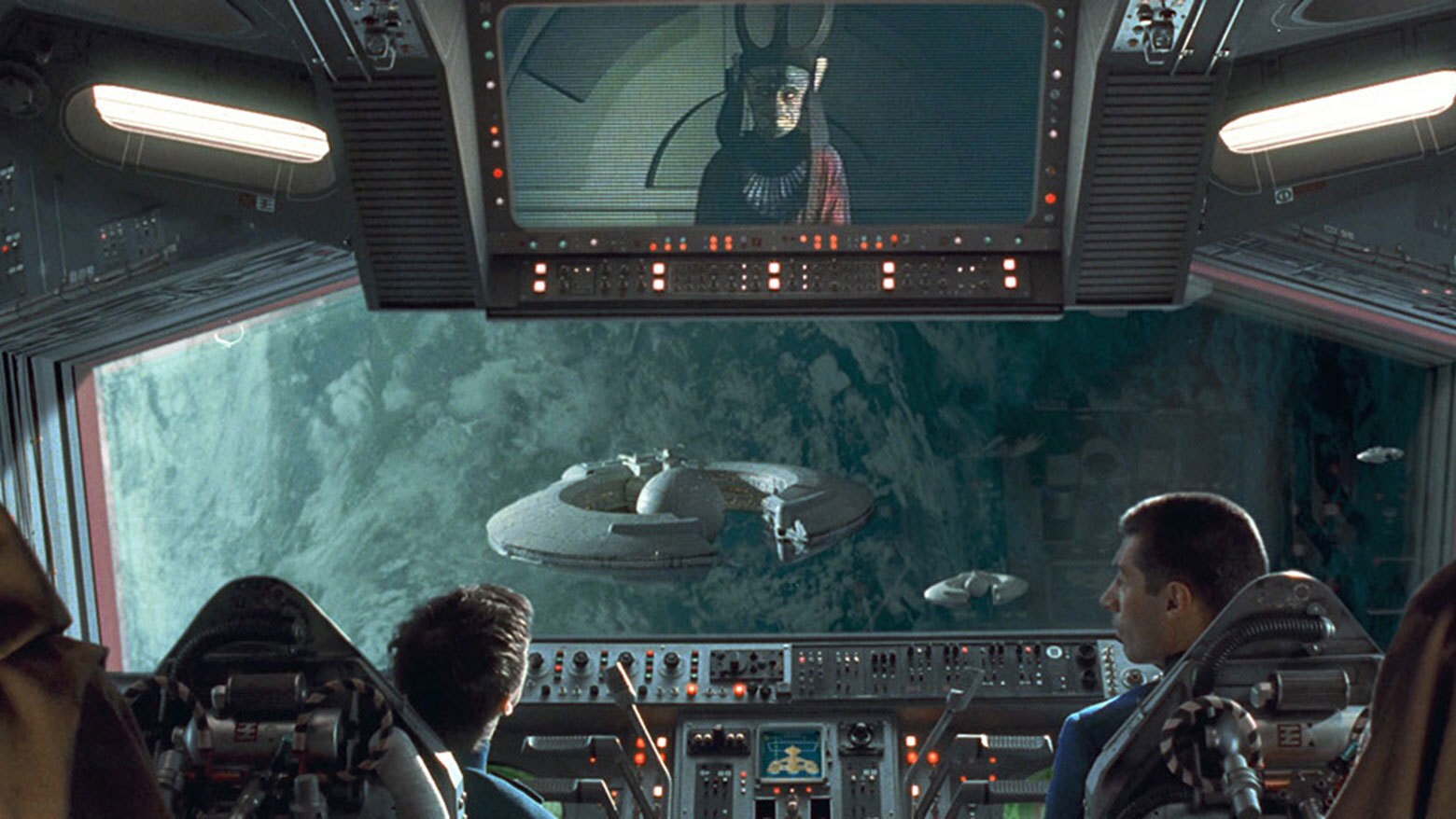
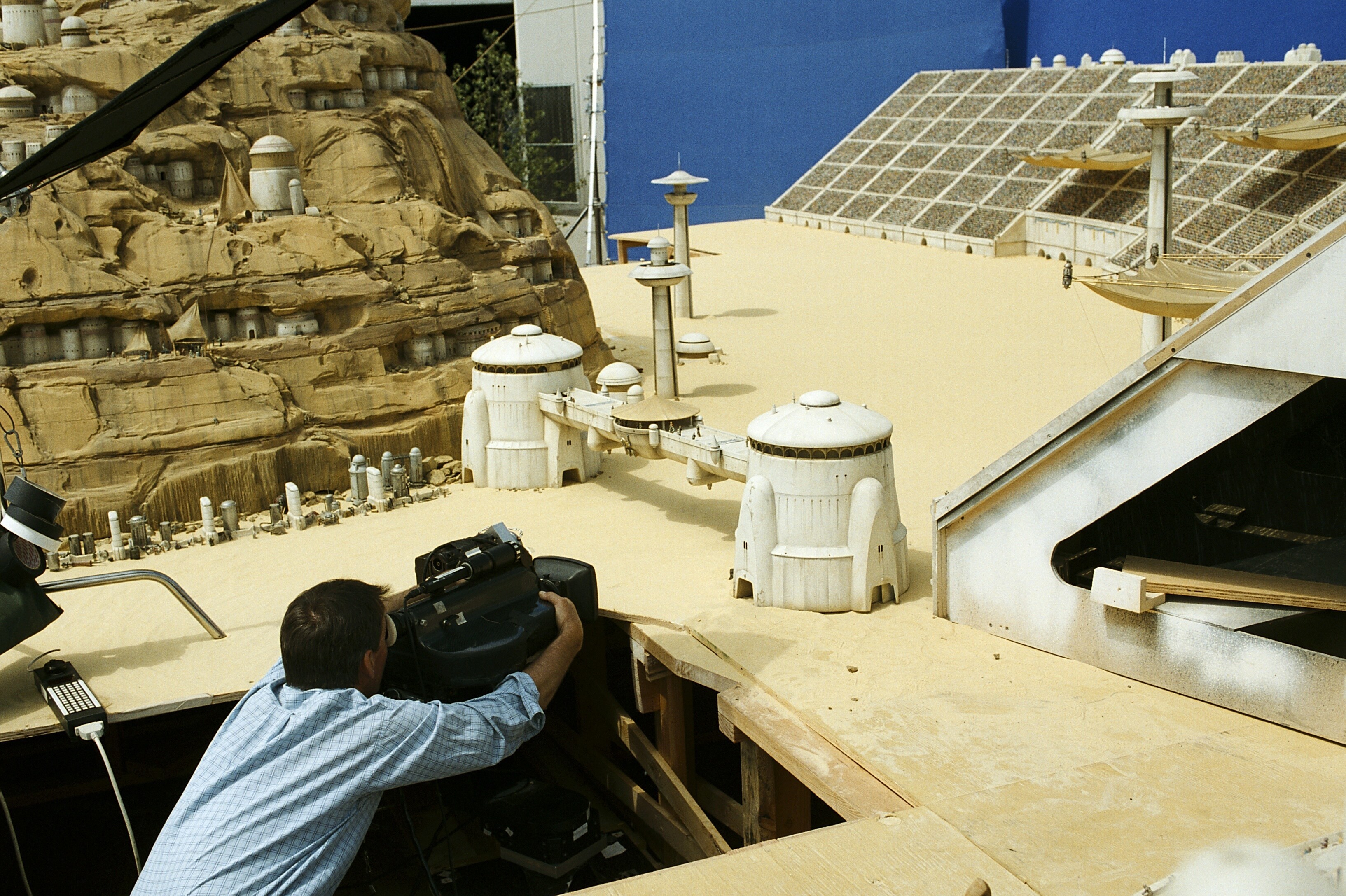
While he is best known around here for his computer expertise, Dozoretz got his degree from film school rather than in computer science. His heart is clearly with the art of film, and his skills are a means to an end. "We are striving to be filmmakers and not just technicians up here," he says.
Dozoretz had become an Assistant Art Director at ILM by 1993, doing conceptual art and rendering computer-generated elements for feature films (including Dragonheart, Disclosure, Star Trek: Generations, and Forrest Gump) and commercial projects for companies such as Intel, Dreamworks and THX. This work led to a special assignment on a film called Mission: Impossible.
"The studio was not too excited about the helicopter-train chase sequence at one point," Dozoretz recalls. "They were having reservations about it." Visual Effects Supervisor
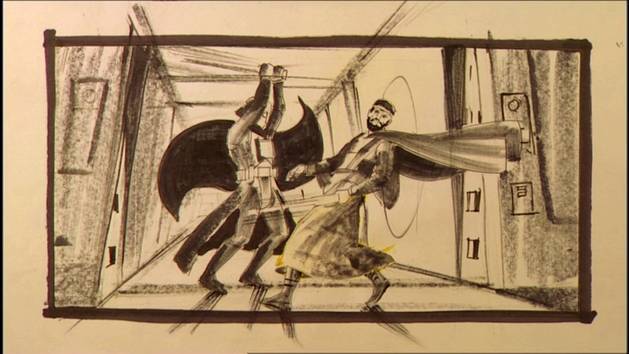
"In four weeks we put together about a hundred low-resolution shots," Dozoretz says. "It was the first time CG animatics had been used to pre-visualize an entire sequence." Dozoretz' Mission: Impossible animatic helped sell the sequence to Paramount, to star Tom Cruise, and to the filmmakers themselves. The visual communication of the animatic allowed everyone involved to share enthusiasm based on a common understanding. The animatic shots were very closely followed for the final footage in the film, resulting in one of the most thrilling cinematic chase sequences in recent years. The animatics concept had proven itself.
Then Producer Rick McCallum saw the Mission: Impossible animatic. "I immediately said, 'Who did this? We have to have this person on Episode I!' John Knoll gave me David's name. I called Jim Morris, president of ILM, and got the OK to steal him."
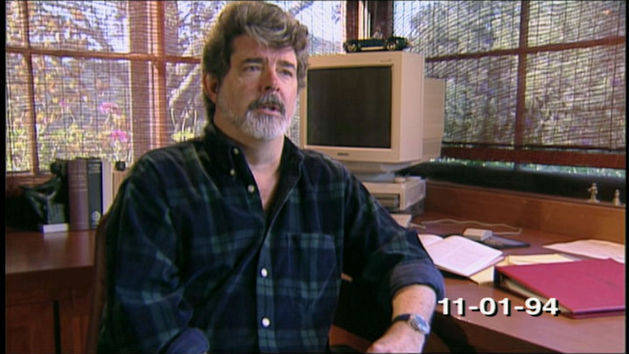
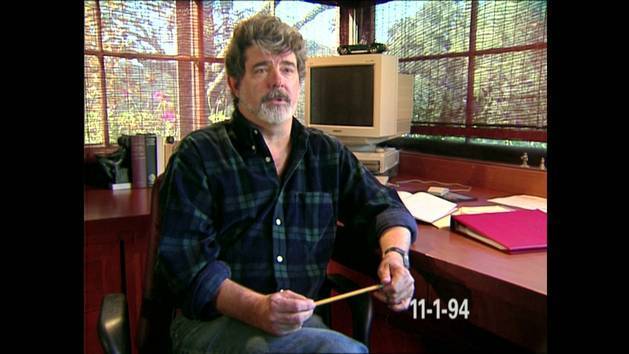
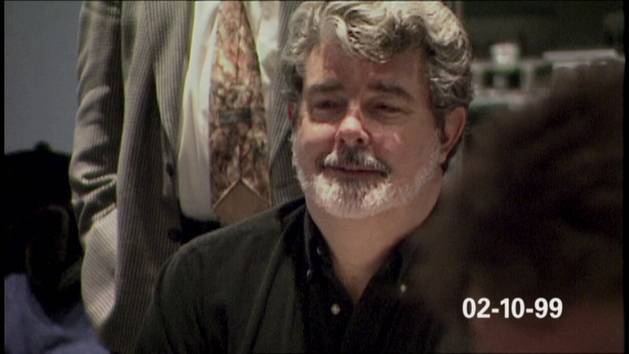
In July 1995, Dozoretz became the third artist hired for Episode I - and its first computer artist. He took an office at Skywalker Ranch and had his first meeting with George Lucas at age 24. Speaking the language of film was a major assist for Dozoretz in communicating with his new boss. "Having some background that is not just technical has made a real difference," Dozoretz says. "Not enough people know the language and history of cinema. But this is really about filmmaking, not just technique, and all that legacy is very important. In the work we do, understanding Eisenstein and David Lean is as vital as knowing the latest software."
"Frankly, I was shocked when I first met him," says McCallum. "I thought, 'Oh my God, who is this kid?' But I was amazed, instantly, to see how quickly he responded to the situation, and I have depended on him so much in the production of this film. He has taken his work to a whole new level and made it possible for me to communicate clearly with the art department, with Leavesden, with everyone involved."
The main thing that has struck Dozoretz during his work on Episode I is that "It's not about technology, it's about filmmaking. George knows what filmmaking tools work for him, and animatics are one of those tools." And how does Dozoretz feel about playing such a large role in creating compositions that will appear, often verbatim, on the big screen in Star Wars: Episode I? "Are you kidding?" he says. "It's the coolest thing in the world."