The Very Model of a Model Shop

Email Archives
December 14, 1999

Busier Than Ever

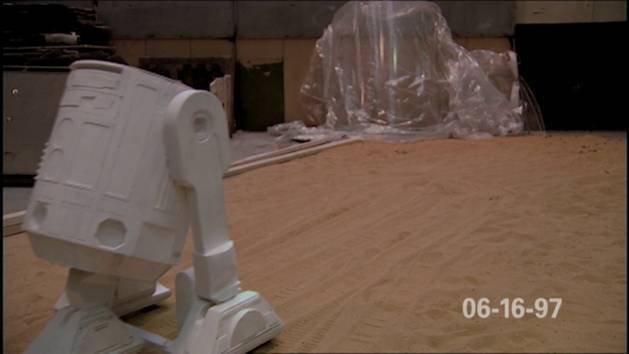
While Episode I has received just plaudits for its incredible computer-generated effects, all of that work didn't come at the expense of traditional model-building, a craft that many thought would be nearly obsolete by now. And there's no better authority for that than Industrial Light & Magic's Steve Gawley, Model Supervisor for Episode I. ILM's Model Shop was responsible for providing the film's makers with hundreds of models, from miniature sets and vehicles to full-size characters. And since Gawley was one of the original model-makers for the first Star Wars movie, he has been in a perfect place to watch the evolution of model-making and understand its role in an age of computer graphics.
"Because of the digital technology that's now available to the film industry, we are actually busier now than we've ever been in the Model Shop," Gawley explains. "We provide reference models that are used by the digital group. We can get the images designed in a three-dimensional way first. While that process can be quite long in the digital world, it's quite quick in the three dimensional world. We can provide background sets fairly quickly."

Gawley points out that even with all the digital technology available today, there are times when traditional modeling can be preferable to using CG images. "A model sometimes looks better than the CG. Sometimes there's a lot of subtlety that can be done in the CG world, but it takes a lot of time. We can do things quickly with paint that is sometimes very difficult to do in the computer." For Episode I, the final decision on hand-crafted model versus digital image was determined by the film's three effects supervisors: John Knoll, Dennis Muren or Scott Squires. Each supervisor was assigned his own sequences and had to weigh a number of factors on how to proceed: How long would it take? How much detail was needed? What scale did the shot require? In short, what was the optimum synthesis of computer image and traditional model? "The effects supervisors have knowledge of both practical models and digital techniques," Gawley says. "They decide what works for them, and then they give us a call."

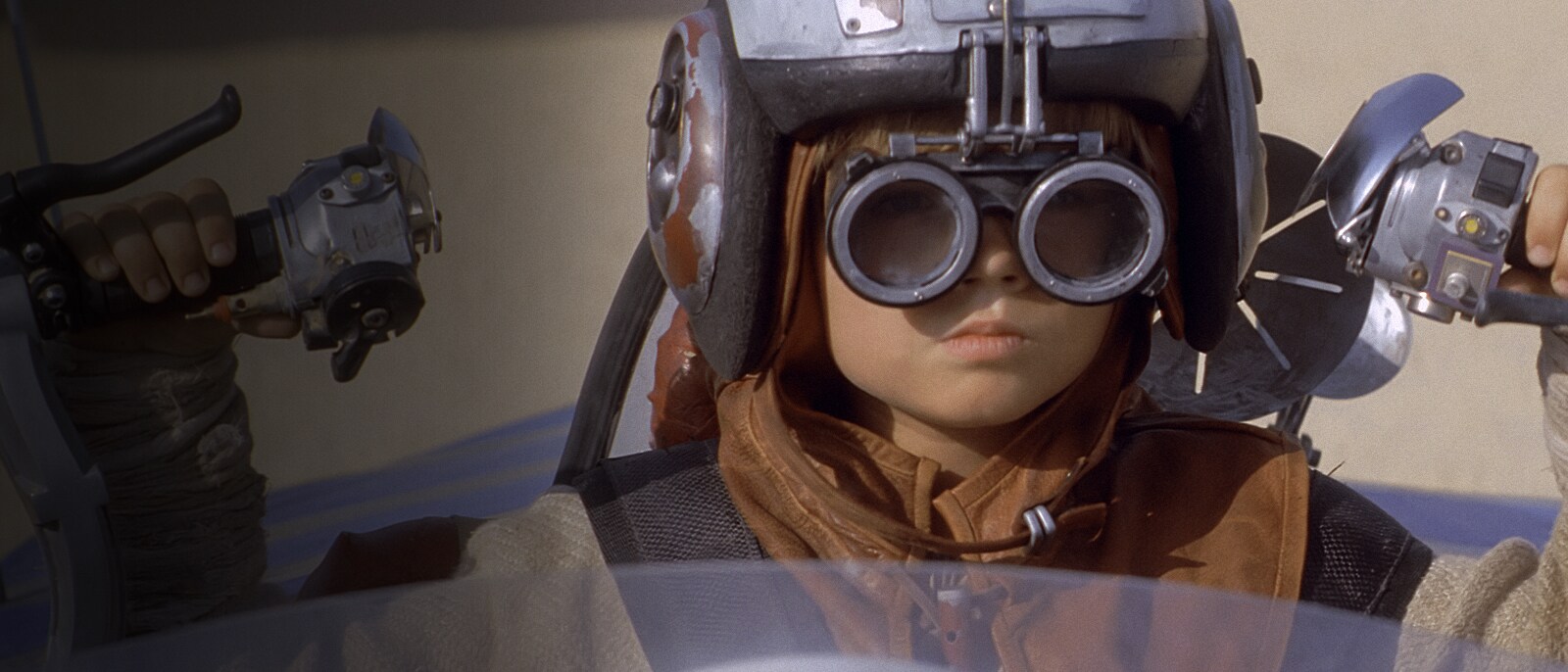
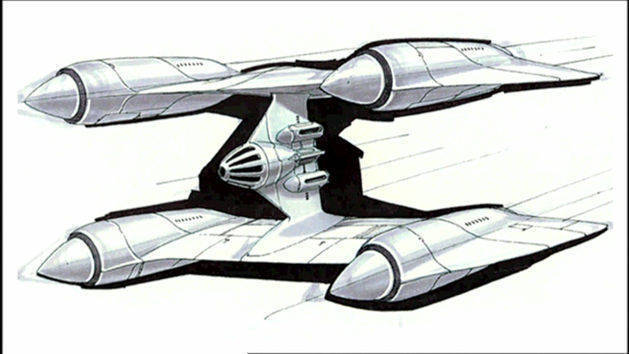
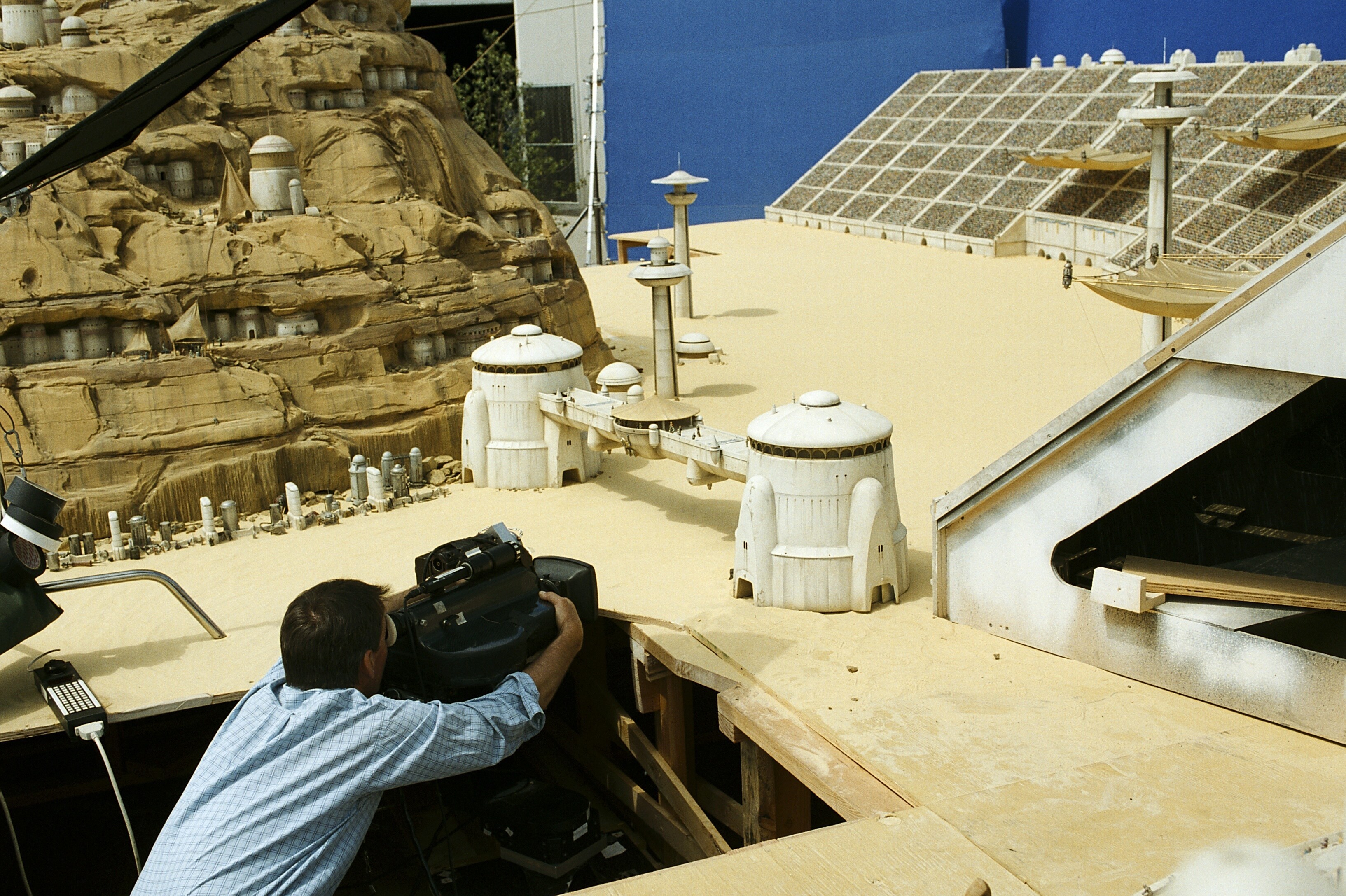
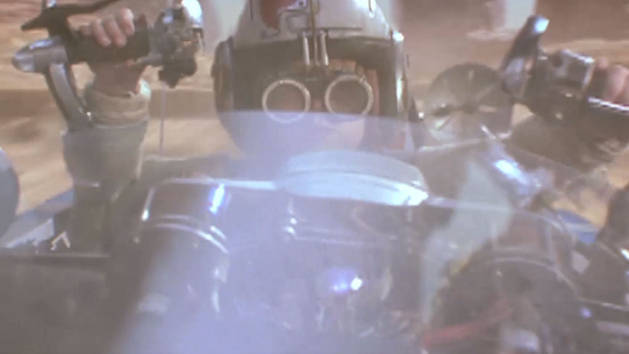
One of the scenes for which Gawley received "the call" is also one of the most exciting sequences in the film: The spectacular Boonta Eve Podrace. After reviewing the storyboards, John Knoll, effects supervisor for the scene, gave the green light to have modelmakers build the massive Mos Espa arena. "ILM had experience on other films building miniature sets and adding the digital characters to the scenes. In that regard it was more efficient to build the sets," Gawley says.

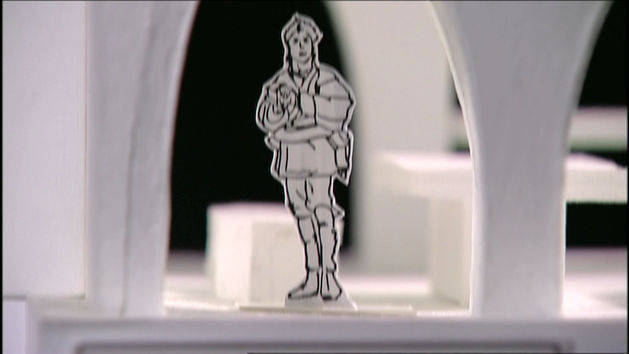
Once the initial go-ahead was given, the real work began for 15 of the 87 modelmakers who worked on Episode I. Working off of the film's storyboards, a small conceptual model of the arena was built by the J.A.K. art department. This initial model was used as a basis for discussions among modelmakers, effects supervisors and cameramen to determine what kinds of shots would be used for the sequence. Camera angles and shot limitations, and scale and lighting, were taken into consideration and discussed. After all the variables had been weighed, the team came up with the final model: an enormous 40 foot by 40 foot outdoor set.

1
2 Next


Keywords: Behind-the-Scenes, ILM

Filed under: The Movies, Episode I
Email Archives
 (
0 ratings
)

Comments: 0 total     See All

Celebrate 10 Years of The Phantom Menace
On May 19, 1999 the Star Wars saga began anew....
Celebration Soundbites: Nick Dudman Part II: Q&A
Our Celebration I panel audio continues with an audience Q&A with Star Wars creature effects supervisor Nick Dudman
A Look Back at Star Wars Celebration
Splish Splash, the Star Wars Celebration was a Smash! Fans from all corners of the globe descended on Denver, Colorado April 30-May 2, 1999, for the grand three-day event.
Celebration Soundbites: Nick Dudman
Listen in on the goings-on in Hall A of 1999's Celebration I in this first of a four-part audio series commemorating the fan event's tenth anniversary.
Snapshot: Shelved Creature Heads
Shelved creature heads in the Creature Effects Department at Leavesden Studios.
Q&A: What kind of new technologies were developed to realize Episode I?
Many visual effects techniques for The Phantom Menace had never been attempted before. How much new technology and software needed to be developed to carry out what was required. Who does that kind of work and how long does it take?
Snapshot: John Fensom
Malcolm Evans (Left, Animatronic Model Designer) and Vicky Winning (Art Finisher) outfit John Fensom (Designer Creatures Assistant) in a protocol droid costume in preparation for a stills shoot in the Stills Studio at Leavesden Studios.
Snapshot: Idle Landspeeder
An idle landspeeder rests on the Mos Espa main street set, on location near Tozeur, Tunisia.
Snapshot: Horox Ryyder
A close up of the fully painted head piece from the Horox Ryyder costume, in the Creature Effects Department at Leavesden Studios.
Snapshot: A Sea of Bluescreen
Qui-Gon Jinn (Liam Neeson) sits amid a sea of bluescreen. Industrial Light & Magic magicians will later digitally add a lumbering eopie and background to complete the scene.
Newsletter sign up!
Enter your email here and receive exclusive Star Wars updates